
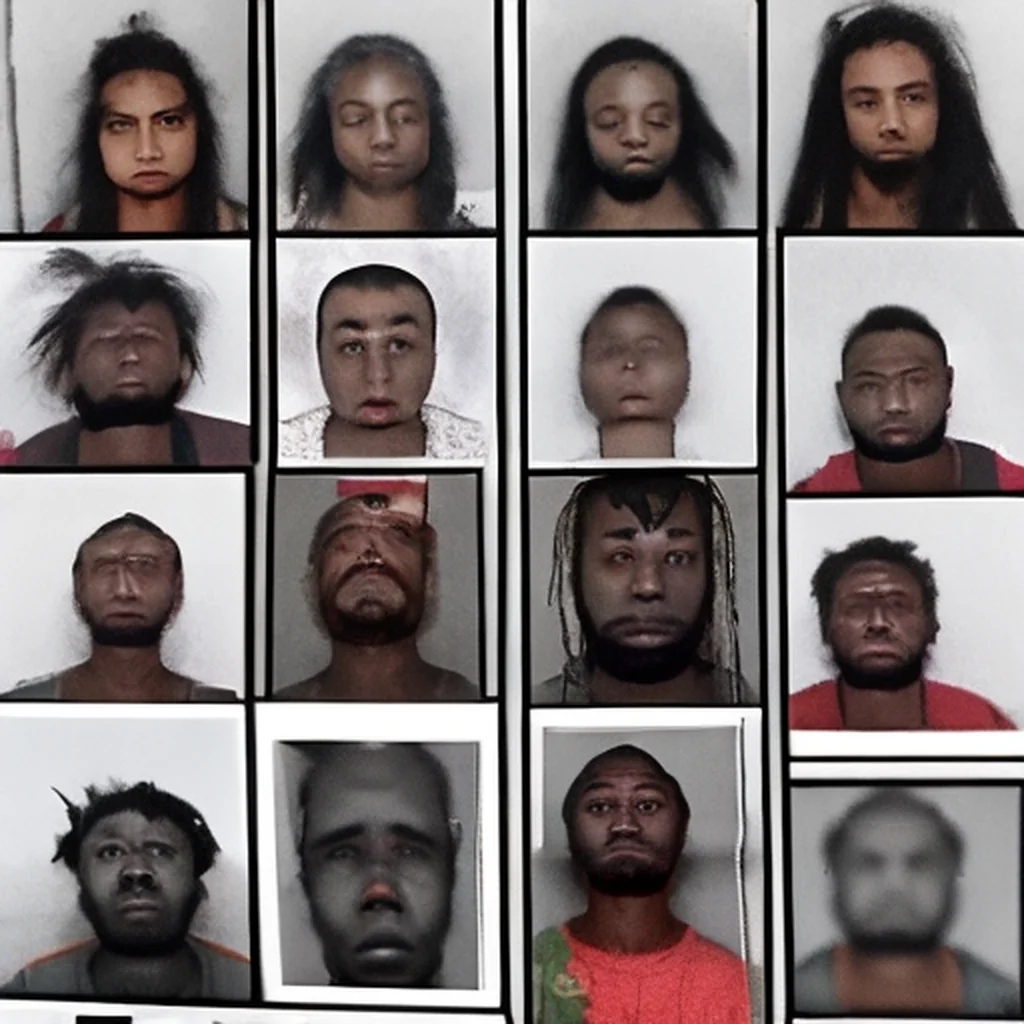
Nigel Addison, 68, from the UK, has been a victim of online harassment for years. He has been targeted by trolls who have used his image to spread racist and hateful content. This has led to him feeling unsafe and anxious about his future. Addison’s story highlights the dangers of online hate speech and the real-world consequences it can have on individuals.
He’s used pictures of people he knew. He’s used pictures of people he didn’t know. He’s used pictures of people who were dead. He’s used pictures of people who were alive. He’s used pictures of people who were famous and people who were not famous.
This statement reflects a deep-seated fear of legal repercussions for his online actions. It highlights the potential consequences of expressing controversial opinions online, particularly in the context of rising social awareness and increased scrutiny of online speech. The speaker’s fear is not unfounded.
This incident highlights the seriousness of online hate speech and its potential for real-world harm. It also underscores the importance of holding social media companies accountable for the content they host. The case of Mr. Addison is not an isolated incident. It is part of a larger trend of online hate speech and harassment. This trend has been exacerbated by the anonymity of the internet and the ease with which individuals can create and spread hateful content. The rise of social media platforms has also contributed to this trend. These platforms, designed for connection and communication, have become breeding grounds for hate speech and harassment.
This statement reflects a common sentiment among individuals who feel overwhelmed by the constant barrage of messages they receive, particularly in the digital age. The individual’s frustration stems from the sheer volume of information, the lack of control over their digital environment, and the feeling of being bombarded by unsolicited content. The individual’s frustration is further compounded by the fact that they have invested significant resources into trying to manage this issue. Millions of pounds have been spent on various solutions, yet the problem persists. This highlights the complexity of the issue and the limitations of current technological solutions. The individual’s statement also reveals a fundamental misunderstanding of how technology works.
Meta’s response was swift and decisive, highlighting their commitment to combating online impersonation and protecting users from harm. This incident, however, raises questions about the extent to which Meta’s efforts to combat online impersonation are effective. While Meta has taken steps to address this issue, the effectiveness of these measures remains debatable. The case of Barry Stanton and Mr. Addison highlights the ongoing challenge of combating online impersonation. It underscores the need for continuous vigilance and adaptation in the fight against online deception.

news is a contributor at TrollTrim. We are committed to providing well-researched, accurate, and valuable content to our readers.