The Hidden Motivations Behind Troll Behavior: Unpacking the Mindset of Online Disruptors
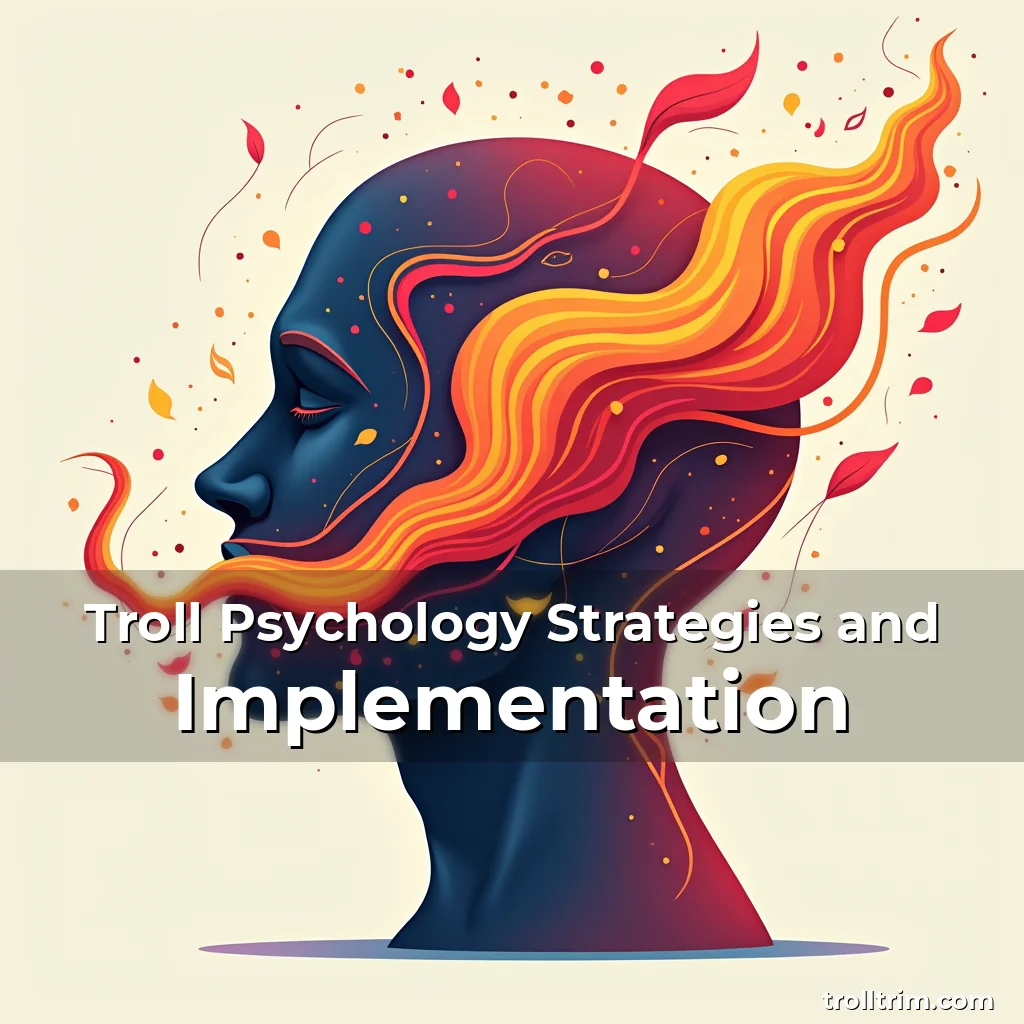
In the vast digital landscape where anonymity fuels chaos, understanding troll psychology becomes essential for navigating online spaces safely and effectively. Trolls—those who deliberately provoke others under false pretenses—have long been a thorn in the side of internet communities.
But what drives these individuals? What psychological mechanisms transform ordinary users into disrupters? This exploration delves deep into the mind of trolls, revealing their motivations, tactics, and impact on digital discourse.
The Anonymity Advantage: How Invisibility Fuels Trolling
Anonymity is the cornerstone of trolling behavior. When users feel shielded from real-world consequences, they are more likely to engage in provocative actions that would be unthinkable face-to-face.
This sense of detachment creates an emotional buffer, allowing trolls to express extreme views without personal risk. It also enables them to adopt personas far removed from their actual identities.
- Lack of accountability: Without fear of repercussions, trolls can push boundaries that would otherwise be unacceptable.
- Psychological distance: The virtual barrier reduces empathy, making harmful speech seem less impactful.
Studies show that when users create fake profiles, they report feeling significantly more empowered to make offensive comments compared to using their real names.
This phenomenon highlights how platform design plays a critical role in enabling or mitigating trolling behavior through identity verification measures.
The Power of Attention Seeking: Why Some Trolls Crave Chaos
Beneath many trolling behaviors lies a fundamental need for attention. For some individuals, provoking strong reactions provides validation and reinforces their self-worth.
Trolls often thrive on the emotional responses they generate—in anger, confusion, or amusement. These reactions become a form of currency in their quest for social engagement.
Interestingly, research indicates that certain personality traits correlate strongly with trolling tendencies. Traits such as narcissism and sensation-seeking behavior appear particularly relevant.
These individuals may view online platforms as stages upon which they can perform disruptive acts while receiving applause from fellow provocateurs.
Masochistic Tendencies: The Dark Side of Provocation
Not all trolls seek positive reinforcement. Some derive pleasure from causing pain or distress in others. This masochistic approach reveals complex psychological dynamics at play.
There exists a subset of trolls who enjoy witnessing others’ frustration or humiliation. Their satisfaction comes not from the act itself but from observing its effects on victims.
Such behavior often reflects deeper issues related to empathy deficits or unresolved trauma. Understanding this aspect helps explain why some trolls persist despite negative feedback loops.
It’s crucial to differentiate between playful provocation and genuinely malicious intent when addressing trolling behavior online.
Social Engineering Through Disruption: Strategic Trolling Tactics
Skilled trolls employ sophisticated strategies designed to manipulate group dynamics and steer conversations toward controversy. They understand human psychology well enough to exploit common cognitive biases.
One effective method involves creating artificial divisions within communities by pitting different groups against each other over trivial differences. This fragmentation weakens collective resilience.
Additionally, trolls often use gaslighting techniques to sow doubt among participants, making it difficult to discern truth from manipulation.
By mastering these tactics, experienced trolls can maintain influence even after initial outrage has subsided.
Cognitive Distortions: Perceptual Filters That Enable Trolling
Trolls frequently exhibit distorted ways of processing information that justify their actions. These cognitive distortions help maintain their behavioral patterns despite adverse outcomes.
All-or-nothing thinking is prevalent among trolls, leading them to perceive situations as either entirely good or completely bad with little room for nuance.
They also tend to personalize criticism excessively, interpreting neutral statements as direct attacks on themselves rather than objective observations.
This skewed perception system makes it challenging to engage meaningfully with trolls using conventional dialogue methods.
Group Identity Formation: The Role of Subcultures in Trolling
Many trolls find belonging within subcultural enclaves where their behaviors are normalized and even celebrated. These environments reinforce deviant conduct through shared values and rituals.
Within these echo chambers, trolling transforms from individual misconduct into collective identity markers. Members gain status based on their ability to incite conflict or disrupt norms.
Research shows that participation in such groups correlates with increased tolerance for aggressive communication styles and decreased empathy towards targets.
Understanding this dynamic underscores the importance of cultivating inclusive online spaces that discourage toxic subgroup formation.
The Evolutionary Perspective: Biological Roots of Disruptive Behavior
Some researchers propose evolutionary origins for trolling-like behaviors. From an ancestral standpoint, disrupting competitors could have conferred survival advantages during resource scarcity periods.
This theory suggests that modern trolling might represent an adaptation of ancient social strategies used to weaken rivals or assert dominance within social hierarchies.
While not all experts agree on this interpretation, it offers intriguing possibilities regarding our species’ behavioral spectrum.
Further study into evolutionary psychology may yield additional insights into managing contemporary forms of online disruption.
Pathways to Change: Rehabilitation Strategies for Trolls
Addressing trolling behavior requires multifaceted approaches that consider both environmental factors and individual psychology. Effective interventions must target root causes rather than merely punishing symptoms.
Educational programs focused on media literacy and emotional intelligence show promise in reducing instances of intentional provocation. Teaching users to recognize and manage their impulses proves vital.
Platforms implementing robust reporting systems paired with thoughtful moderation policies foster healthier interactions by swiftly removing harmful content without stifling legitimate debate.
Encouraging constructive engagement through gamified rewards models presents another promising avenue for redirecting disruptive energy into productive activities.
Conclusion
Exploring troll psychology reveals intricate layers beneath seemingly chaotic online interactions. By examining various influencing factors—from anonymity benefits to evolutionary predispositions—we uncover pathways toward better understanding and management of disruptive behavior.
Ultimately, fostering digital environments grounded in respect and empathy remains paramount. Recognizing the complexity behind trolling allows us to respond thoughtfully instead of reactively, promoting safer online experiences for all users.

news is a contributor at TrollTrim. We are committed to providing well-researched, accurate, and valuable content to our readers.