
He’s not perfect, but he’s a great example of a Gallant character. Goofus, on the other hand, is the opposite of Gallant. He’s a bit of a jerk. He’s not respectful, and he’s not kind.
But for the most part, their anger is reserved for the digital realm.
The Psychology of Online Trolling
Online trolls are a fascinating phenomenon that has garnered significant attention in recent years. But what drives these individuals to engage in such behavior? To understand this, we need to delve into the psychology behind online trolling. Lack of empathy: Online trolls often lack the ability to empathize with others, which makes it difficult for them to understand the impact of their words on others. Anonymity: The anonymity of the internet provides a sense of freedom and liberation for some individuals, allowing them to express themselves in ways they wouldn’t in real life. Social isolation: Many online trolls are socially isolated individuals who feel disconnected from others and seek validation through online interactions. Power dynamics: Online trolls often seek to assert power and control over others, which can be a way to compensate for feelings of inadequacy or powerlessness in real life.**
The Impact of Online Trolling
Online trolling can have a significant impact on individuals and communities.
Trolling as a Mask for Insecurities and a Reflection of Toxic Masculinity
The Psychology of Trolling
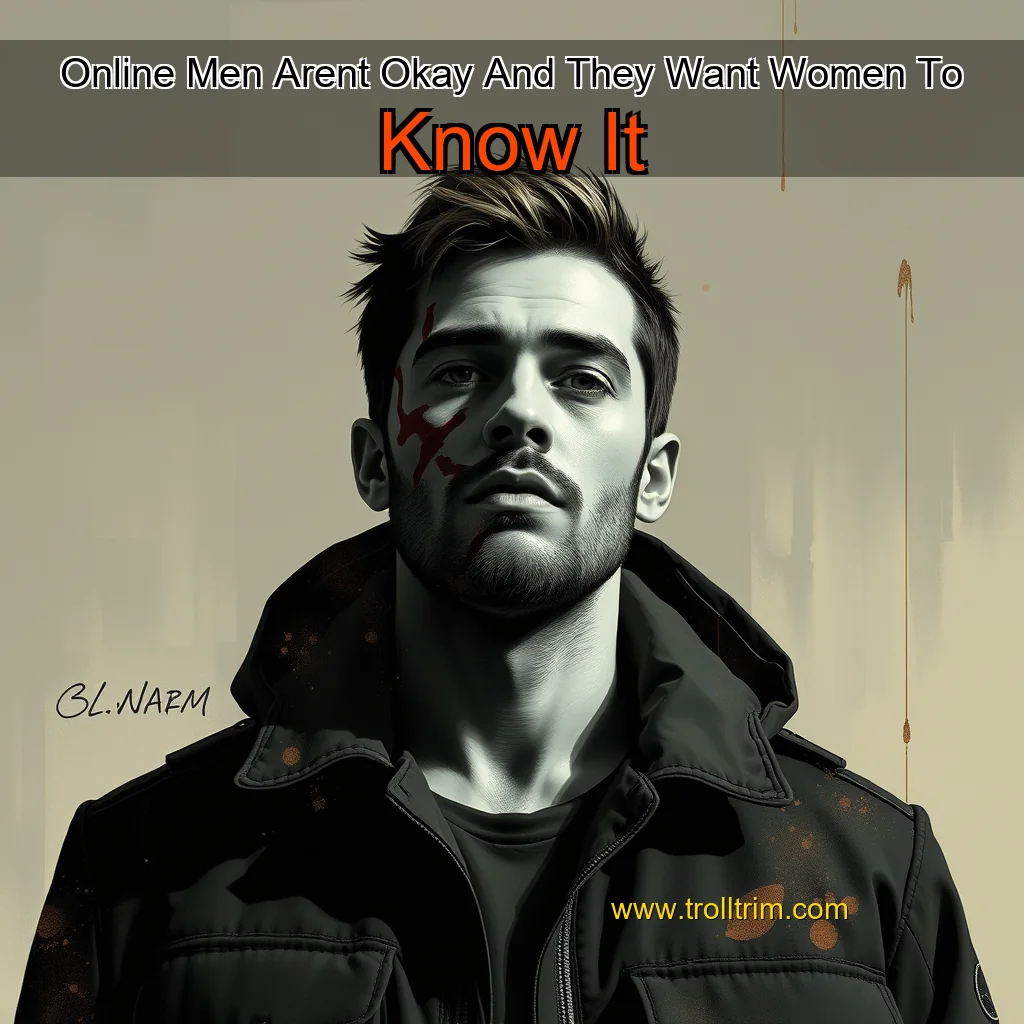
Trolling is a complex behavior that can be understood through various psychological lenses. According to research, trolling is often a manifestation of underlying insecurities and feelings of inadequacy. Men who engage in trolling may be trying to compensate for their perceived lack of power or status in their personal and social lives. This can be seen in the way trolls often use derogatory language and personal attacks to belittle and humiliate their targets. By doing so, they attempt to regain a sense of control and dominance over others. However, this behavior is often a facade, masking deeper emotional vulnerabilities and insecurities.
The Role of Masculinity
Traditional notions of masculinity often emphasize the importance of dominance, aggression, and control. Men who subscribe to these ideals may feel pressure to conform to certain expectations and behaviors, including trolling and gender discrimination. This can lead to a sense of disconnection and disempowerment, as men feel they are unable to express themselves authentically or assert their needs and desires. In an attempt to reclaim a sense of power and agency, some men may turn to trolling and other forms of aggressive behavior.
They do it because they want to assert dominance and control over women. This is not a new phenomenon, and it’s not limited to the internet. In fact, it’s a long-standing pattern of behavior that has been observed in various forms throughout history.
The Origins of Male Dominance
The concept of male dominance has been present in various forms throughout history, from ancient civilizations to modern times. In many cultures, men have held positions of power and authority, often at the expense of women. This has led to a deep-seated cultural and societal expectation that men should be in control and women should be subordinate. This expectation is often perpetuated through language, media, and social norms. Women are frequently depicted as passive, submissive, and inferior to men in media and advertising. Men are often portrayed as strong, dominant, and in control in media and advertising.
The Internet and Online Spaces
The rise of the internet and social media has created new opportunities for men to assert their dominance over women online. Online spaces, such as forums, chat rooms, and social media platforms, have become breeding grounds for male trolls and harassers. Men are more likely to engage in online harassment and trolling than women. Women are often targeted for their appearance, body, and personal characteristics.
Power struggles in the digital age fuel online abuse.
Understanding the Psychology of Online Abuse
Online abuse, also known as cyberbullying, is a pervasive issue that affects millions of people worldwide. It’s a complex phenomenon that can be understood through the lens of psychology. To grasp the motivations behind online abuse, we need to delve into the psychological dynamics that drive individuals to engage in such behavior.
The Power Dynamics of Abuse
Abusers often abuse others because they crave power and control. This desire for dominance can stem from deep-seated insecurities, such as feelings of inadequacy or low self-esteem. By exerting power over others, abusers may feel a sense of validation or self-worth. This dynamic is often reflected in the way abusers use language, tone, and content to manipulate and intimidate their victims. Gaslighting: Abusers may use gaslighting tactics to distort reality and make their victims question their own perceptions or sanity. Emotional manipulation: Abusers may use emotional manipulation to control their victims, making them feel guilty, ashamed, or responsible for the abuser’s emotions. * Threats and intimidation: Abusers may use threats and intimidation to maintain control and silence their victims.**
The Cry for Help
Trolling, a form of online abuse, can also be seen as a cry for help. Many online men who engage in trolling behavior are struggling with their own emotions, insecurities, and feelings of inadequacy.
By ignoring them, you can deprive them of the attention they crave.
Understanding Trolls
Trolls are individuals who intentionally provoke and harass others online. They often use derogatory language, personal attacks, and inflammatory comments to elicit a reaction from their victims. Trolls can be found in various online communities, including social media platforms, forums, and comment sections.
Characteristics of Trolls
The Psychology of Trolling
Trolls often engage in trolling as a way to cope with feelings of inadequacy, low self-esteem, or a need for attention. By provoking others, they can feel a sense of power and control. Trolls may also use trolling as a way to express their anger or frustration towards others.
The Impact of Trolling
Blocking, Reporting, and Ignoring Trolls
Blocking, reporting, and ignoring trolls are effective ways to deal with them. By blocking trolls, you can deprive them of the attention they crave. Reporting trolls can help to hold them accountable for their actions.
They are also often isolated and alone, with little to no social support.
The Psychology of Male Trolls
Male trolls are a subset of online trolls who are particularly aggressive and misogynistic. They often use hate speech and personal attacks to intimidate and belittle their targets. But what drives this behavior? To understand the psychology of male trolls, we need to look at the societal and cultural factors that shape their worldview.
Societal and Cultural Factors
Male trolls are often radicalized by right-wing media, which perpetuates a toxic and patriarchal worldview. This media often portrays women as inferior, and reinforces stereotypes about their roles in society. For example, a study by the Pew Research Center found that 64% of men who identify as conservative believe that women are less capable than men in the workplace.
Ignore them. Ignore the fact that they are human beings who are suffering. Ignore the fact that they are victims of circumstance. Ignore the fact that they are not asking for your sympathy, but for your help. Ignore the fact that they are not asking for your pity, but for your support. Ignore the fact that they are not asking for your validation, but for your assistance.
The Problem of Toxic Masculinity
Toxic masculinity is a pervasive issue that affects men and boys, causing them to feel emasculated, inadequate, and powerless. This toxic behavior is often perpetuated by societal norms, cultural expectations, and family dynamics.
A happy family is one where both partners are equal and have a healthy, loving relationship.
The Myth of the Traditional Family Structure
The traditional family structure, often depicted in media and societal norms, is a farce. It’s a myth perpetuated by patriarchal societies to maintain power and control over women. This outdated notion of a family is built on the idea that the husband is the head of the household, and the wife is subservient to him.
The Problem with Patriarchal Power Dynamics
Breaking Free from the Pressure to Be Perfect
The pressure to be perfect in relationships can be overwhelming, especially for men. It’s a societal expectation that can lead to feelings of inadequacy and anxiety. But what if we told you that it’s okay to not be perfect? In fact, it’s more than okay – it’s necessary.
The Problem with Perfectionism
Perfectionism can lead to an unrealistic expectation of oneself and one’s partner. It can create a sense of competition, where one person feels like they need to be better than the other. This can lead to feelings of resentment and frustration, ultimately damaging the relationship. Examples of perfectionism in relationships include:
- Constantly seeking validation through likes and comments on social media
- Feeling like one needs to be the “perfect” partner, provider, or romantic
- Comparing oneself to others, whether it’s in terms of physical appearance, career success, or relationship status
## Overcoming the Pressure to Be Perfect
So, how can we break free from the pressure to be perfect? Here are some strategies that may help:
Reaching Out for Support

news is a contributor at TrollTrim. We are committed to providing well-researched, accurate, and valuable content to our readers.